Bone Grafting in Phoenix, AZ

Rebuilding jawbone strength and volume so your smile has a firm, lasting foundation for implants and long-term oral health.
Bone Grafting in Phoenix, AZ

Rebuilding the Jaw With Bone Grafting

Contact us at 602-242-5445 to schedule an appointment in our Phoenix, AZ office.

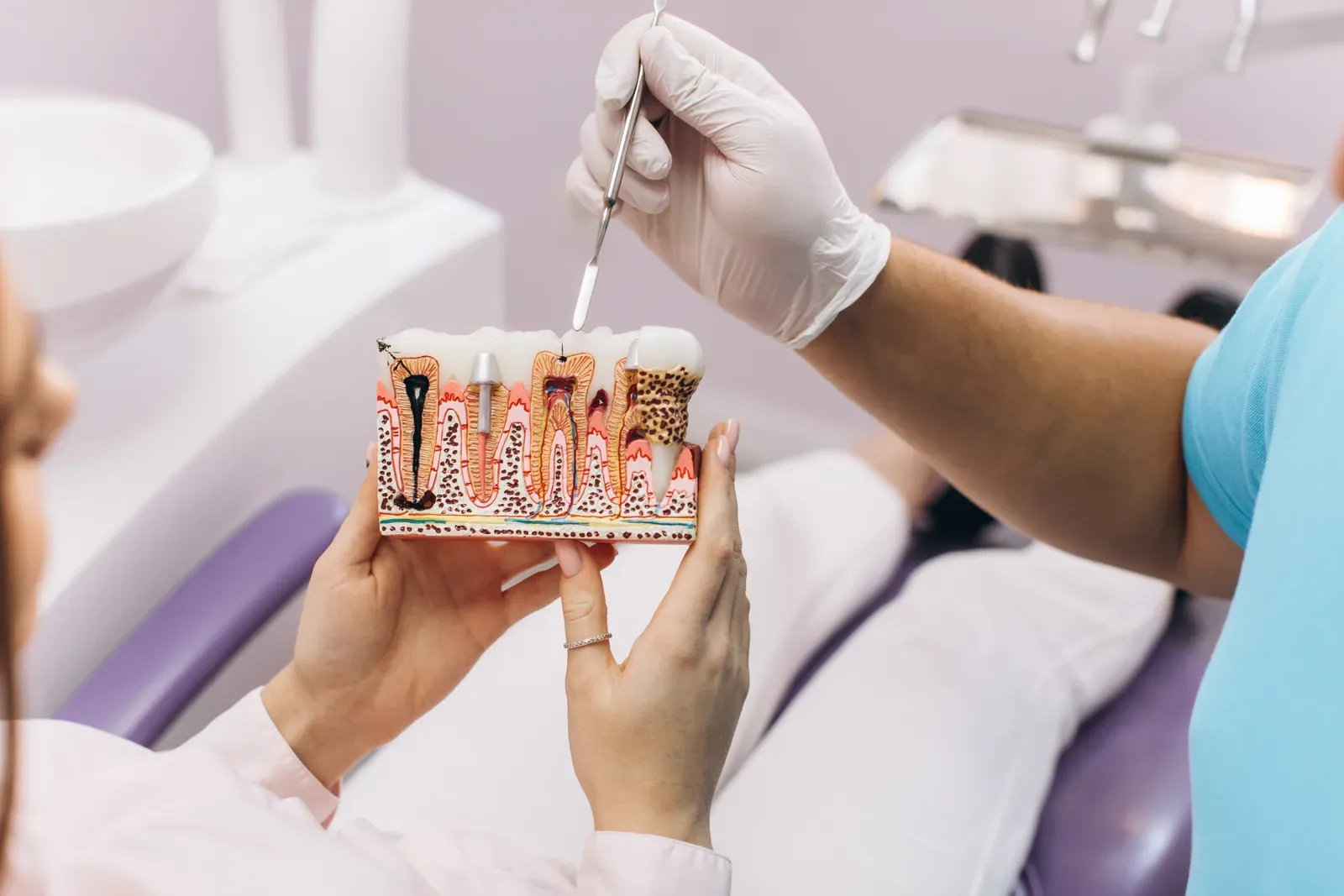
Bone grafting may be required to address defects in a patient’s jaw. Bone grafting is a form of reconstructive surgery that helps to generate and rebuild bone and increase bone density.

Bone grafting surgery is performed to correct problems that may be the result of:

  • Defects present from birth
  • Trauma
  • Removal of a tumor
  • Tooth loss and subsequent loss of bone in the related jaw area
Schedule a Consultation

Minor Bone Grafting

The most common bone grafting procedure is performed to enhance the upper or lower jaw bone in order to increase bone quantity and density in preparation for the placement of dental implants.

When a tooth is lost, the surrounding bone often is often affected over time. Patients without enough jaw bone mass are not candidates for dental implants. Bone grafting is often performed to reverse bone loss or enhance existing bone, allowing for the placement of dental implants after the bone graft has healed and created the necessary foundation for the implants.

Bone grafting for the purpose of rebuilding jaw bone to support dental implants can usually be done in our office. The surgeon may recommend that the grafting material be taken from the patient’s own bone or from another source. Synthetic material can also be used to generate bone growth. Bone grafting allows for proper support of dental implants or prostheses. Healing time prior to the placement of the implants is generally between 4 – 6 months, though it can sometimes take longer.

Major Bone Grafting

For more extensive bone grafting procedures, such as the correction of congenital defects, a hospital setting is required and grafting material may be taken from other areas such as the skull or hip.

Schedule Your Bone Grafting Consultation in Phoenix

Looking for a practice in the Phoenix area? Contact us at 602-242-5445 to schedule an appointment today!

Frequently Asked Questions About Bone Grafting

Does bone grafting hurt?
Most patients are surprised at how manageable the procedure feels. We use local anesthesia to keep the area completely numb during placement, and sedation options are available for anyone who feels anxious. Afterward, mild soreness and swelling for a few days is normal and typically managed well with over-the-counter or prescribed pain relief.
How long does it take for a bone graft to heal?
Initial soft tissue healing usually takes one to two weeks, but full bone integration generally takes three to six months, depending on the size of the graft and your individual healing response. We schedule follow-up imaging to confirm the graft has fully integrated before placing an implant on top of it.
What material is used for the bone graft?
We typically use highly purified graft materials, either donor bone, synthetic bone substitute, or in select cases bone taken from another site in your own mouth. Each option is biocompatible and designed to serve as a scaffold that your own cells gradually replace with new, living bone. We'll discuss which material fits your case during your consultation.
Can I get a dental implant on the same day as my bone graft?
Sometimes, yes. If there's enough existing bone to stabilize the implant initially, we can often place a smaller graft and the implant in the same visit. For larger defects, we usually need the graft to fully mature first, which gives the implant a stronger, more predictable foundation long-term.
Is bone grafting covered by dental insurance?
Many insurance plans provide partial coverage for bone grafting, especially when it's tied to a medically necessary procedure like tooth extraction or implant placement. Our team will review your specific benefits, explain what's covered, and walk you through financing options for any remaining balance.
What happens if I skip the bone graft?
Without grafting, the jawbone at a missing-tooth site continues to resorb, often making a future implant more difficult or requiring a larger grafting procedure down the road. In cases involving infection, skipping the graft can also leave a weakened area more vulnerable to further bone and gum problems.
How do I know if I need a sinus lift instead of a standard graft?
If you're missing upper back teeth, the sinus cavity can expand downward over time and reduce the bone height available for an implant. Our 3D imaging shows us exactly how much space remains, and if it's insufficient, a sinus lift gently raises the sinus floor and adds graft material underneath to create room.

BOOK YOUR VISIT

Start your family dentistry journey in Phoenix

Join the Phoenix families who trust Hi-Fi Dental. New patients and emergencies are always welcome.